
Dr. Dinesh, Dental Surgeon
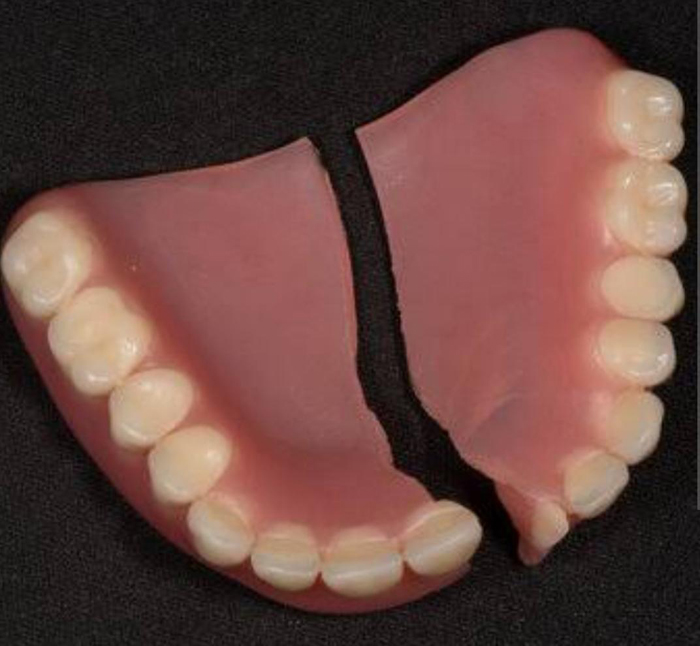
Dentures continue to be a dependable solution for individuals who have lost several or all of their natural teeth. Yet, many patients are unaware that dentures require as much care and caution as any other medical appliance. Among the more common mishaps reported by dental practitioners is the practice of patients attempting to repair broken dentures at home, typically using household adhesives. Dentists warn that such do-it-yourself attempts are not only ineffective but can permanently compromise the fit and longevity of the denture.
A denture is custom-fabricated to sit on the soft tissue and bony ridge of the mouth. Even minor irregularities in alignment can lead to discomfort, ulcers and chewing difficulties. When patients use household glue or temporary adhesives to fix a fractured denture plate or a detached tooth, the resulting repair seldom matches the required precision. Adhesives are neither biocompatible nor durable. Once hardened, they create uneven surfaces and misaligned joints, preventing the denture from adapting properly. Over time, this can worsen tissue soreness and may accelerate further breakage.
Dental surgeons point out that “there is no glue in the world” that can permanently hold a fractured denture in place or restore its original fit. Meanwhile, the smell and chemical residue of common glues pose their own health risks if used repeatedly inside the mouth. Such practices also delay proper intervention, leading to higher repair costs. In contrast, a professional repair carried out by dentists is relatively inexpensive and can be completed quickly. However, clinicians concede that even the best repairs do not reproduce the integrity of the original denture. With prudent usage and careful chewing of normal food, a repaired denture may serve for some time, though it inevitably enters a period of diminished utility.
Dentures are subject to wear and change. The soft tissues and underlying bone ridge tend to shrink and remodel with age, a natural physiological process that is accelerated in the absence of natural teeth. This slow but steady change alters the denture’s fit over the years. For this reason, dental practitioners recommend that dentures be replaced roughly every two years. Regular dental check-ups help identify early signs of instability that may not be obvious to the wearer. Untreated looseness can lead to chronic irritation, fungal infections and nutritional compromise due to reduced chewing efficiency.
Recent advances in dental prosthetics have expanded the range of choices available to patients. Conventional removable dentures remain the most accessible option, particularly for elderly individuals. However, semi-fixed dentures and implant-supported systems have gained acceptance for their enhanced stability and comfort. Implant-supported dentures, anchored to titanium fixtures placed in the jawbone, distribute chewing forces more evenly, improving function and speech. While the cost is higher, clinicians note that these innovations reduce long-term complications and can significantly improve the quality of life for eligible patients.
The broader trend reflects a shift in public awareness regarding oral health in India. As life expectancy increases, more individuals seek solutions that maintain dietary habits, social confidence and general well-being into older age. Consequently, prosthodontics, once a niche specialty, now draws interest from patients across socio-economic groups. The adoption of digital impression techniques and advanced polymers has further improved precision and aesthetics.
For all the technological advancements, dentists stress that a broken denture should never be viewed as a minor inconvenience to be patched up at home. Timely professional intervention not only saves money but prevents deterioration of the oral tissues on which dentures depend. The cautionary message is simple, a denture, once fractured, warrants expert attention; and even after repair, it must be treated with care. With realistic expectations, informed choices and periodic replacement, dentures can continue to offer a functional and dignified solution for tooth loss in the years ahead.