
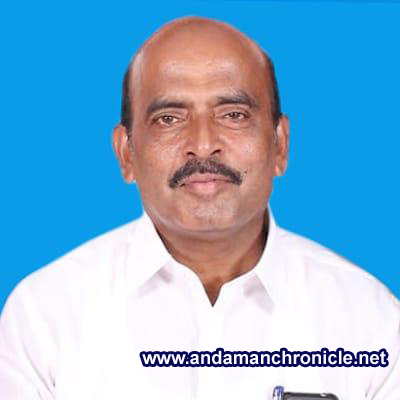
Sri Vijaya Puram, June 12: The President of the Andaman & Nicobar Territorial Congress Committee (ANTCC), Shri Rangalal Halder, has expressed serious concerns regarding the Draft Andaman & Nicobar Islands Tribal Council (Preparation of Electoral Rolls and Conduct of Elections) Rules, 2026, and has urged the Hon’ble Lieutenant Governor, Andaman & Nicobar Islands, to keep the proposed rules in abeyance until a comprehensive review is undertaken in consultation with the concerned tribal communities.
In a representation submitted to the Hon’ble LG, Shri Rangalal Halder stated that the proposed rules appear to have been framed without adequate consultation with the Tribal Councils, traditional leaders, village captains, Tuhet representatives and members of the Nicobarese community.
He emphasized that the traditional institutions of the Tribal Councils and the Tuhet system constitute the foundation of the social, cultural and administrative life of the Nicobar Islands and, therefore, deserve greater protection and recognition within the proposed legal framework.
Shri Halder further pointed out that there is widespread apprehension among the tribal communities that the proposed electoral mechanism may undermine the existing traditional structure and adversely affect the autonomy and customary rights enjoyed by the indigenous people. Concerns have also been raised regarding the preparation of electoral rolls, representation of displaced and resettled tribal families, participation of tribal members residing outside their native villages, and the overall compatibility of the draft rules with the customs, traditions and practices of the Nicobarese community.
Expressing the Congress Party’s commitment to safeguarding the rights and interests of the indigenous communities, Shri Halder earnestly appealed to the Administration to reconsider the draft rules and undertake extensive consultations with all stakeholders, including Tribal Councils, community elders, village captains, Tuhet representatives and civil society organizations before finalizing any legislation.