
A Neurobiological and Epigenetic Crisis of Our Time
– Dr. Ajai Kumar Sonkar
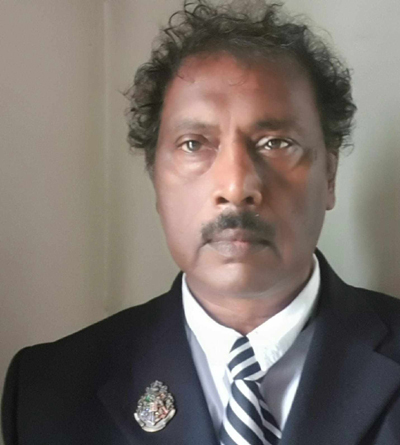
Padma Shri–awardee scientist Dr. Ajai Kumar Sonkar expressed deep concern over the growing trend of intoxication, alcoholism, and substance abuse among young people, stating that viewing this issue through the lens of morality or discipline is a serious scientific mistake. He said that this problem is, in fact, the outcome of profound biological and neurological changes occurring in young brains under relentless modern stress.
Dr. Sonkar explained that the human brain does not mature uniformly. The regions responsible for emotions, excitement, fear, and reward become active quite early in life, whereas the prefrontal cortex, responsible for judgment, impulse control, and long-term decision-making, takes nearly 24 to 25 years to fully develop. He pointed out that this biological gap makes young individuals experience emotions and stress very intensely while lacking the fully developed neural mechanisms needed to regulate them. Under such circumstances, the brain naturally seeks rapid and effortless relief.
The renowned scientist further said that today’s youth live under continuous pressure arising from extreme academic competition, fear of failure, job insecurity, and relentless social comparison amplified by digital platforms. This persistent stress keeps the body’s stress hormone, cortisol, chronically elevated. He explained that prolonged cortisol exposure weakens the brain’s decision-making centers while overstimulating the fear and anxiety circuits. As a result, young individuals remain trapped in a constant state of restlessness and insecurity.
Dr. Sonkar revealed that this stress does not remain limited to psychological distress but extends to the epigenetic level, altering gene expression itself. He stated that under prolonged stress, genes associated with fear, impulsivity, and craving for external relief become activated, while genes responsible for emotional regulation, patience, and resilience are suppressed. He emphasized that this does not change the DNA sequence but reprograms how the brain functions in response to its environment.
The Padma Shri scientist elaborated on the role of dopamine, clarifying that it is often misunderstood as merely a “pleasure chemical.” In reality, dopamine governs motivation, hope, purpose, and the sense that effort will lead to reward. He explained that repeated experiences of uncertainty and perceived failure blunt dopamine signaling, making life feel empty, meaningless, and unrewarding. Intoxicating substances artificially elevate dopamine levels, providing temporary relief. The brain quickly learns that substances offer what life appears to withhold.
Dr. Sonkar further stated that many intoxicants act by enhancing the brain’s calming neurotransmitter systems while suppressing mental noise and anxiety. For an overstimulated and anxious brain, intoxication feels like silence and peace. However, he cautioned that this relief is illusory and short-lived. Over time, the brain’s natural calming mechanisms weaken, dependence increases, and anxiety deepens in the absence of substances.
He also highlighted that despite constant digital connectivity, modern youth suffer from profound emotional isolation. The absence of stable mentorship, community bonds, and meaningful social rituals leads to a decline in neurochemicals associated with trust, belonging, and emotional stability. In this emotional vacuum, intoxication becomes a chemical substitute for connection and security.
Dr. Ajai Kumar Sonkar clearly stated that intoxication itself is not the disease but a warning signal. It signals neural exhaustion, stress-induced epigenetic disruption, collapse of the brain’s reward system, and a deep existential void. He asserted that punishment and stigma only aggravate the condition, as fear levels in these individuals are already excessive.
Concluding his statement, the Padma Shri scientist emphasized that addressing youth intoxication requires repairing the brain, not condemning behavior. He stressed the importance of creating predictable and secure environments, purpose-driven education, physical activity, strong human connections, and emotional literacy. He said that young people do not seek intoxication, they seek relief, safety, and hope, and when society provides these, the brain has an inherent capacity to heal itself.