
Dr. Dinesh
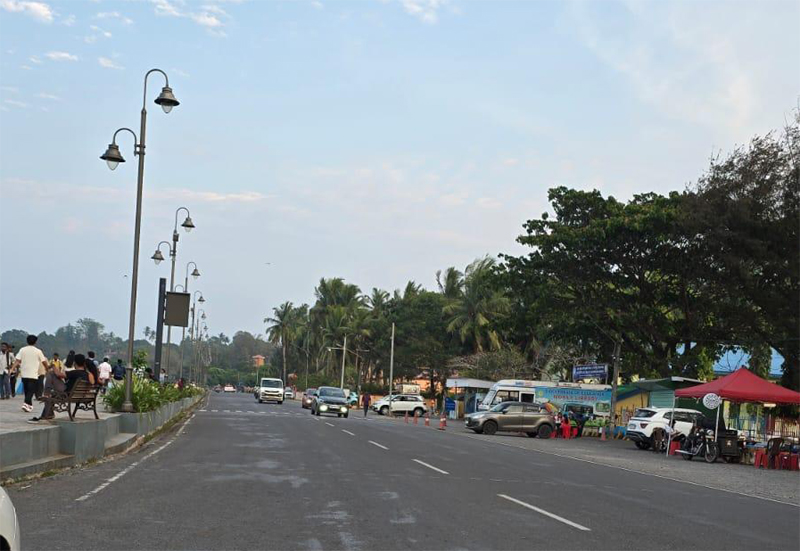
The Andaman Islands, with their emerald beaches, blue lagoons and extraordinary biodiversity, are often described as paradise on earth. Yet behind this postcard beauty lies a growing challenge waste management. If not handled carefully and systematically, the accumulation of waste could gradually erode the fragile environment that makes these islands unique.
Across Sri Vijaya Puram, Swaraj Dweep, Shaheed Dweep, Diglipur, Nicobars and other parts of the islands, significant quantities of food waste, plastic bottles and packaging materials are generated every day. Municipal bodies collect much of this waste, but improper disposal in some locations and incomplete segregation remain concerns. Overflowing bins or open dumping not only affect the visual appeal of the islands but also attract stray animals and threaten sensitive ecosystems.
It must also be recognised that not all waste seen along the shores originates within the islands. Ocean currents and seasonal winds often carry marine debris and plastic waste from neighbouring countries, which eventually washes up on Andaman beaches. This transboundary pollution adds to the burden of local waste management systems and requires regular clean-up efforts.
A recent report in a national newspaper highlighting garbage issues in the islands drew attention to the problem. While such reports serve as reminders that vigilance must continue, it is equally important to acknowledge a broader reality, the Andaman and Nicobar Islands remain far cleaner than many cities and States on the mainland. This relative cleanliness owes much to the tireless efforts of sanitary workers and the initiatives of municipal authorities and the Administration.
Sanitary workers form the backbone of waste management in municipal areas. Their daily work, often carried out in difficult weather and terrain, ensures that streets, markets and neighbourhoods remain clean. Their contribution deserves greater recognition as well as stronger institutional support, including proper protective equipment such as gloves, boots, face shields and tools, along with regular health check-ups and training.
Encouragingly, waste segregation has already begun to take root in many households across the islands. In several areas, residents separate dry and wet waste before handing it over to municipal staff. Such practices reduce pressure on the waste management system and make recycling and composting far more effective.
The long-term solution to the waste challenge must continue to begin at the source. Segregation at households, hotels and restaurants can significantly reduce the burden on municipal infrastructure. Kitchen waste, in particular, can be converted into vermicompost, a natural fertilizer that enriches soil and supports local greenery.
There have been encouraging initiatives within the islands. During my tenure as President of the Rotary Club of Port Blair in 2014, a vermicompost project was started at Government Girl’s School in Sri Vijaya Puram. Teachers and students collected vegetable peels and food waste daily to feed vermibeds. Within months, the compost produced was being used in the school garden. More importantly, the project helped transform the perception of waste from something to be discarded into a resource that could be reused productively.
The Sri Vijaya Puram Municipal Council has also initiated segregation and composting programmes in selected areas. Such efforts deserve appreciation and could be expanded further to panchayats, schools, hotels and markets. With guidance from departments such as Agriculture and Education, community-level composting could become an integral part of island life.
Technology too can play an important role. While incinerators are necessary for biomedical and certain non-recyclable waste, they cannot be the sole solution. The islands could adopt a combination of decentralised and eco-friendly approaches such as biogas plants, organic waste converters, plasma pyrolysis units for biomedical and plastic waste, baling machines for recyclables and small waste-to-energy gasifiers. Such technologies could reduce landfill pressure, lower transportation costs and even create green employment opportunities for island residents.
Allocating a dedicated portion of the annual budget for waste management infrastructure and maintenance would further strengthen these efforts. Partnerships between the Administration, local bodies and responsible private players could also bring innovation and efficiency, provided they operate within strict environmental safeguards and Pollution Control Board norms.
Tourist awareness is another critical element. Polythene and single-use plastics are banned in the Andaman and Nicobar Islands, yet visitors may not always be aware of these regulations. Clear communication through tourism websites, travel operators and signboards at major airports can reinforce these eco-guidelines.
The Andaman and Nicobar Administration and municipal bodies have already taken several steps to strengthen waste management systems across the islands. Continued administrative support, community participation and responsible tourism will be essential to sustain these efforts.
Ultimately, cleanliness is a shared civic responsibility. If residents, institutions, businesses and visitors work together in segregation, composting and recycling, the Andaman Islands can continue to stand as a model of sustainable tourism, a paradise preserved, not a paradise lost.
*Author is a Dental Surgeon based in Sri Vijaya Puram in the Andaman and Nicobar Islands. He is a former President of the Rotary Club of Port Blair and writes on public health, civic issues and sustainable development in the islands.