
Benefits of having a bad hair day
If you see something that looks like a dirty wet mop lurking in the shallow, rocky shores of the Andamans, there’s a good chance you’ve spotted a common hairy crab (Pilumnus vespertilio).
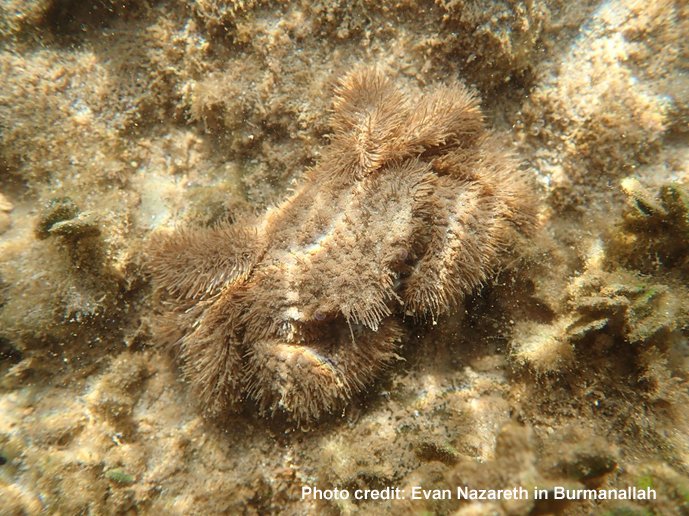
This crab is covered with a thick layer of soft, long bristles that give it a shaggy appearance. And though it is often nicknamed the ‘bad hair day crab,’ that bad hair is precisely what keeps it alive!
The bristles on its exterior are known as setae, which are perfect for trapping drifting dirt, debris, and sediment. Once the crab is fully coated in dirt, it can almost completely blend into its surroundings, keeping it safe from predators.
It feeds on algae and small anemone-like creatures, which can also render the crab mildly poisonous if eaten.