
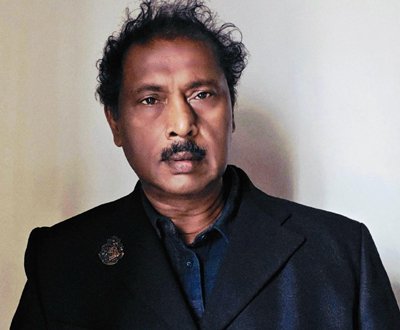
Renowned scientist Dr. Ajai Kumar Sonkar has drawn attention to the hidden public health consequences of inefficient governance, bureaucratic delays, corruption, and the lack of accountability in public institutions. He observed that the difficulties ordinary citizens face while seeking government services and justice can create prolonged stress, insecurity, and psychological distress, potentially contributing to a wider public health burden.
“The purpose of government is not merely to administer offices, maintain records, enforce regulations, or dispose of files. It is to serve the public, protect rights, maintain order, and create conditions in which people can live with dignity and security,” Dr. Sonkar said.
The Everyday Fear of Seeking Justice
Dr. Sonkar questioned why ordinary citizens often search for acquaintances, personal connections, or influential people before approaching government departments for routine tasks.
He observed that when people believe a legitimate task cannot be completed without repeated visits, unnecessary delays, persistent requests, or personal intervention, their confidence in public institutions weakens.
According to the scientist, corruption, bureaucratic delays, indifference, arbitrary decisions, and a lack of accountability are not merely administrative failures. They can also have serious consequences for psychological well-being, social security, and public health.
“A government system that creates chronic insecurity among its citizens may be contributing to a public health burden that hospitals alone cannot resolve,” he observed.
The Psychological Burden of Everyday Governance
Dr. Sonkar explained that a person seeking a corrected document, a pension, the resolution of a property dispute, or an investigation into a complaint may encounter repeated visits, unexplained delays, unanswered applications, or demands for informal payments.
He pointed out that uncertainty itself can become a source of distress. Citizens may worry about whether their work will be completed, whether an application will be rejected without a valid reason, or whether pursuing a complaint could expose them to retaliation.
The scientist observed that such uncertainty can create helplessness, frustration, distrust, and mental exhaustion. People with limited financial resources, little social influence, disabilities, or inadequate access to legal assistance may suffer disproportionately because they have fewer ways to overcome institutional barriers.
He further said that when citizens believe personal connections matter more than fairness, insecurity becomes part of everyday life. Such stress may accumulate quietly through unresolved problems and repeated disappointments.
When the Police and Judicial Systems Become Sources of Anxiety
Dr. Sonkar expressed concern about the consequences when institutions intended to protect citizens become difficult to approach or navigate.
He noted that people turn to the police when they feel threatened, victimised, or unsafe, and approach the courts when their rights have been violated. When victims encounter insensitive treatment, inadequate investigations, corruption, or unreasonable delays, the original suffering may be compounded by the process intended to provide relief.
The scientist observed that delayed justice can mean years of uncertainty, legal expenses, repeated appearances, lost earnings, and emotional exhaustion. Families may remain trapped in disputes that affect their relationships, livelihoods, and sense of security.
He clarified that many police officers and public servants work with integrity under difficult conditions. The concern, he said, is systemic: where accountability is weak and procedures are inaccessible, justice may be experienced as an expensive and uncertain privilege rather than a dependable right.
“Justice should restore a citizen’s sense of security, not prolong the insecurity caused by the original injustice,” Dr. Sonkar said.
The Biological Consequences of Chronic Stress
Drawing on his scientific perspective, Dr. Sonkar highlighted the connection between the quality of governance and the biological conditions in which people live.
He explained that human beings continually respond to perceived threats, uncertainty, and the demands of daily life. When stress becomes persistent, the body’s stress-response systems may remain activated more often than is healthy.
According to the scientist, stress hormones and related physiological pathways help people respond to immediate challenges. However, prolonged stress can contribute to disturbed sleep, elevated blood pressure, anxiety, impaired emotional regulation, and metabolic changes. Chronic stress is associated with an increased risk of several health problems, although the effects vary among individuals and are influenced by genetics, lifestyle, existing health conditions, and social support.
Dr. Sonkar identified several examples:
•Hypertension and cardiovascular disease: Persistent psychosocial stress can contribute to raised blood pressure and may increase cardiovascular risk through several interacting pathways.
•Type 2 diabetes: Chronic stress may affect glucose regulation and indirectly contribute to risk through sleep disruption, reduced physical activity, and stress-related eating. Diabetes also has many other causes.
•Anxiety and depression: Repeated experiences of helplessness, insecurity, and unfair treatment can increase psychological distress and may contribute to mental health difficulties.
•Sleep disorders: Worry about unresolved disputes, financial losses, or uncertain outcomes can interfere with sleep, affecting concentration, mood, and physical health.
•Digestive problems: Stress can influence communication between the brain and gut, altering digestive function and aggravating symptoms in susceptible individuals.
The Padma Shri awardee emphasised that these conditions have multiple causes and that governance failures should not be regarded as the sole explanation for chronic disease. Nevertheless, he said, reducing avoidable and prolonged stress deserves recognition as a legitimate public health objective.
The Hidden Health Cost of Administrative Failure
Dr. Sonkar drew attention to the cumulative effects of administrative difficulties on ordinary citizens.
He observed that a worker may lose wages while repeatedly visiting an office, a small business owner may lose valuable time resolving an avoidable licensing problem, an elderly person may struggle to obtain a pension, and a family may spend years pursuing compensation or justice.
He further said that these experiences can carry economic and social costs, while some create psychological burdens that persist long after the administrative matter is resolved.
According to the scientist, the cumulative consequences may include lost productivity, family conflict, financial insecurity, sleep disturbances, and increased demand for psychological or medical support.
He stressed that the precise proportion of illness attributable to governance failures cannot responsibly be stated without robust research. However, public health depends not only on hospitals, medicines, and doctors, but also on the social conditions that shape people’s daily lives.
Can Better Governance Reduce the Burden on Hospitals?
Dr. Sonkar argued that honest, efficient, and compassionate governance could reduce a substantial category of avoidable uncertainty and helplessness.
He envisioned government offices where applications are processed within clearly defined periods, requirements are published, applicants receive regular updates, and rejections are explained in writing. Complaints, he said, should be submitted without fear and reviewed by independent authorities where necessary.
He also called for police services in which victims are treated with dignity, complaints are appropriately recorded, investigations are conducted professionally, and misconduct is investigated fairly.
Similarly, he emphasised the need for accessible, affordable, transparent, and timely judicial processes.
The scientist observed that such improvements could reduce the time citizens spend pursuing routine services, minimise lost working days, and reduce opportunities for exploitation. Greater trust in public institutions could strengthen social cooperation and improve people’s sense of security.
He further said that if administrative reform reduced the fear and helplessness associated with unresolved problems, it could contribute to better mental well-being and potentially reduce some stress-related health burdens.
He described this as prevention in its broadest sense: addressing social conditions that can contribute to illness rather than relying exclusively on treatment after illness develops.
What Needs to Change?
Dr. Sonkar stressed that meaningful reform requires more than appeals for honesty. It requires systems that make honest and efficient public service the norm and make misconduct easier to detect and address.
He outlined several priorities:
First, make public services time-bound. Citizens should know which documents are required, how long a process should take, and whom to approach if the deadline is missed.
Second, make procedures transparent. Applications should be traceable, decisions should carry clear reasons, and unnecessary discretion should be reduced wherever possible.
Third, strengthen accountability. Independent complaint mechanisms, meaningful investigations of misconduct, protection against retaliation, and appropriate consequences for proven wrongdoing are essential.
Fourth, make police services citizen-centred. Victims should be treated with dignity, complaints should be handled according to law, and professional conduct should be subject to effective oversight.
Fifth, improve access to justice. Legal aid, affordable procedures, better case management, appropriate alternative dispute resolution, and adequate judicial capacity can help reduce the burden of prolonged litigation.
Sixth, protect vulnerable citizens. Elderly people, persons with disabilities, economically disadvantaged families, and those without influential connections should be able to obtain services without humiliation or dependence on intermediaries.
Finally, measure governance by citizens’ experience. Performance should not be assessed only by the number of files processed or applications disposed of. It should also consider timeliness, fairness, accessibility, complaint resolution, and public trust.
Dr. Sonkar added that these reforms must be supported by adequate staffing, training, infrastructure, and realistic workloads. Efficiency and accountability should improve working conditions for conscientious public servants as well as outcomes for citizens.
A New Public Health Perspective
The scientist observed that public health policy often concentrates on immediate determinants of disease, including pathogens, pollution, nutrition, sanitation, physical inactivity, and access to medical care. While these remain essential, he said, the wider social environment also deserves attention.
A citizen’s sense of safety and control over daily life is influenced partly by the institutions responsible for protecting rights and delivering public services. Dependable institutions can reduce uncertainty and help people plan their lives, whereas unpredictable or inaccessible institutions may intensify existing vulnerabilities.
Dr. Sonkar called for serious scientific investigation of this relationship. Researchers, he suggested, could examine whether improvements in service-delivery times, complaint resolution, police responsiveness, and access to justice are associated with changes in self-reported stress, sleep quality, psychological distress, and relevant population health indicators.
He emphasised that such studies should account for income, education, age, existing health conditions, and other influences. Evidence of this kind could help establish the scale of the problem and identify which reforms produce measurable health benefits.
An Honest Government Is Also Preventive Healthcare
Dr. Sonkar said that when citizens must depend on personal connections to obtain ordinary services, when victims fear approaching the police, or when justice becomes prohibitively slow or expensive, the damage extends beyond administration. It can affect trust, livelihoods, psychological well-being, and the conditions that shape health.
He argued that transparent, fair, and responsive governance could prevent a significant amount of avoidable distress and contribute to better population health.
“A hospital treats illness. A just and compassionate society also works to prevent the conditions that make people suffer,” the scientist observed.
He further said that efficient governance should be recognised not only as an administrative responsibility, but also as an investment in public health.
A government office should not be a place people fear. A police station should not be a place victims hesitate to enter. A court should not make justice feel beyond the reach of ordinary citizens.
In Dr. Sonkar’s view, the true measure of a public institution is not simply the authority it possesses, but the security, dignity, fairness, and confidence it provides to the people it serves.
“When governance protects human dignity, it does more than strengthen democracy. It helps create a healthier society,” the Padma Shri awardee concluded.