
ICAR-CIARI Registers a Unique Germplasm of Andaman Kokum at the National Level
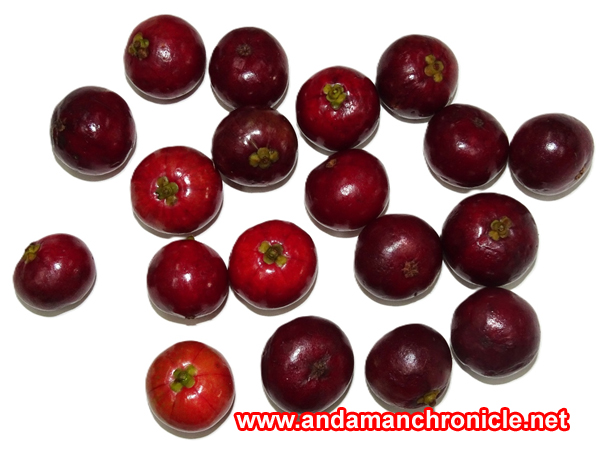
Sri Vijaya Puram, July 9: Andaman Kokum, botanically known as Garcinia dhanikhariensis, is a micro-endemic species known to occur only from the South Andaman Island. At the time of discovery of the species during 1993, only one individual plant of this species was reported to exist in these islands. Researchers at ICAR-Central Island Agricultural Research Institute (CIARI), Sri Vijaya Puram initiated systematic research on this species during 2015 to devise the strategy for its conservation and to understand its potential in food, pharma and other industries.
In order to conserve the species, series of experiments were conducted to develop efficient regeneration protocols. Using the developed protocols, more than 2,000 seedlings were raised at the Horticultural Plants Propagation Unit of the Institute and these seedlings helped to create variability, which is much needed for such endemic species. Some of these plants were used for habitat enrichment programmes at different places in the islands and, for creating awareness among the local masses.
Phytochemical profiling using advanced hyphenated chromatographic techniques suggested that the species is a novel source of industrially important and pharmaceutically active molecules including hydroxycitric acid, anthocyanins, fatty acids and phenolic compounds. It implied that this endemic species has considerable potential for providing raw material to food and allied industries. Considering these findings, CIARI researchers recommended the species as a potential fruit crop for the islands. They named it ‘Andaman Kokum’ to give the species a national identity.
The species is dioecious, which means seedlings that are planted could result into male or female plant, confirmation of which would happen only after several years when it starts flowering. In order to promote cultivation, technique of grafting was standardized at ICAR-CIARI which could ensure the farmers of getting only fruiting trees in their gardens. For identification of superior germplasm, extensive surveys were conducted at ICAR-CIARI, which resulted into identification of few more individual trees in the South Andaman Island including the male plants, which were not reported so far in this dioecious species. Selected seedling progenies of these plants have also been planted in the experimental blocks of the ICAR-CIARI for long term evaluation. After perennial evaluation of these plants, a unique germplasm was identified with consistently large fruit size and high percentage of rind (major economic part). Findings of these studies were published in internationally recognized peer reviewed journals such as Genetic Resources and Crop Evolution and International Journal of Fruit Science, published from Germany and the United States of America, respectively.
The identified germplasm was multiplied through grafting and conserved at the National Active Germplasm Site of the ICAR-CIARI. This germplasm has been registered at the ICAR-National Bureau of Plant Genetic Resources, New Delhi with the unique identity of INGR26027. This germplasm could be helpful for further crop improvement programmes as well as for area expansion activities. The research work was carried out by Dr. Pooja Bohra and Dr. Ajit Arun Waman, Scientists at ICAR-CIARI with the funding support from Indian Council of Agricultural Research, New Delhi. Dr. Jai Sunder, Director (A), ICAR-CIARI expressed his happiness for this significant achievement in the conservation of islands’ unique diversity.