
– Dr. Ajai Kumar Sonkar
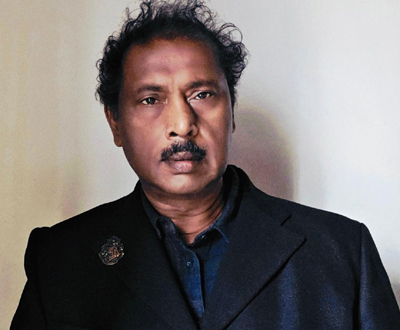
At a time when anxiety, stress, loneliness, and hostility are becoming defining characteristics of modern life, renowned scientist Dr. Ajai Kumar Sonkar has emphasized the urgent need for mindfulness meditation as a scientifically proven tool for restoring mental well-being and emotional balance.
Speaking about the growing mental health crisis, the scientist said that despite unprecedented technological progress, humanity appears to be drifting further away from happiness and inner peace.
“We have become masters of the external world but strangers to our inner world,” he said. “People today possess more comforts, more information, and more connectivity than ever before, yet anxiety, anger, hostility, and emotional distress continue to rise.”
He explained that the human brain evolved to cope with occasional challenges, not with the relentless digital stimulation of today’s world. Endless notifications, social media comparisons, information overload, and constant pressure keep the brain in a state of continuous alertness, elevating stress hormones and reducing emotional resilience.
According to the scientist, chronic stress not only affects mental health but also contributes to hypertension, poor sleep, weakened immunity, impaired concentration, and reduced quality of life.
Mindfulness: Training the Mind to Heal Itself
The researcher explained that mindfulness meditation is one of the most extensively studied mental training techniques in modern neuroscience. Rather than attempting to suppress thoughts, it teaches people to observe them calmly and without judgment.
“Most people spend much of their lives worrying about the future or regretting the past,” he said. “Mindfulness gently brings the mind back to the present moment, the only place where life truly exists.”
He further explained that mindfulness changes our relationship with thoughts. “Thoughts are natural,” he said. “The problem begins when we identify with every thought or emotion. Mindfulness teaches us to observe them without allowing them to control our behaviour.”
Research over the past two decades has demonstrated that regular mindfulness practice can improve attention, emotional regulation, memory, and resilience while reducing anxiety, depression, and hostility. Brain imaging studies have also shown that meditation strengthens areas involved in rational decision-making while reducing excessive activity in regions associated with fear and emotional reactivity.
A Simple Mindfulness Practice Anyone Can Follow
According to the scientist, one of the greatest strengths of mindfulness meditation is its simplicity. It requires no expensive equipment and can be practised almost anywhere.
He recommends the following simple daily practice:
1. Find a quiet place. Sit comfortably on a chair or the floor with your back straight but relaxed.
2. Close your eyes gently or keep them half-open with a soft downward gaze.
3. Focus on your breathing. Do not change your breathing. Simply notice the air entering and leaving your nostrils or the gentle rise and fall of your chest.
4. Observe your thoughts. Thoughts will naturally appear. Do not fight them or judge yourself. Simply acknowledge them and let them pass like clouds drifting across the sky.
5. Return your attention to the breath. Every time your mind wanders, gently bring your attention back to your breathing. This act of returning is the essence of mindfulness training.
6. Continue for 10–20 minutes. Beginners may start with five minutes and gradually increase the duration.
7. End with gratitude. Before opening your eyes, take a few slow breaths and appreciate the opportunity to care for your mind.
“The objective is not to stop thinking,” he explained. “The objective is to become aware of thinking without becoming controlled by it.”
A Powerful Antidote to Hostility
The scientist further said that mindfulness meditation has benefits beyond stress reduction. Scientific evidence suggests that regular practice enhances empathy, patience, emotional intelligence, and compassion while reducing impulsive reactions and aggressive behaviour.
“When people become mindful, they pause before reacting. That brief pause allows reason to replace anger and understanding to replace hostility,” he observed.
He believes that if mindfulness were introduced in schools, universities, workplaces, and public institutions, it could significantly reduce interpersonal conflicts and improve emotional well-being.
The Youth Need It the Most
According to the scientist, today’s young generation faces an unprecedented crisis of attention.
“Social media platforms, endless scrolling, and short-form videos are training young brains to seek constant stimulation,” he said. “As attention spans shrink, anxiety and dissatisfaction continue to grow.”
Mindfulness meditation, he explained, serves as a powerful mental exercise that strengthens concentration, improves emotional control, and helps young people reconnect with themselves.
The Happiness We Have Forgotten
One of the greatest misconceptions of modern society, he said, is the belief that happiness lies somewhere in the future.
“We convince ourselves that we will be happy after achieving success, wealth, or recognition. Yet true happiness is cultivated in the present moment. Mindfulness reminds us that peace is not something we chase, it is something we practise.”
A Message for Society
Concluding his remarks, the scientist urged people to devote just a few minutes each day to mindfulness meditation.
“In a world overwhelmed by stress, hostility, and distraction, mindfulness is more than a meditation technique, it is a way of living,” he said.
“It teaches us to respond instead of react, to understand instead of judge, and to live consciously instead of mechanically. The happiness we seek has never disappeared. We have simply forgotten where to look. It has always been within us, waiting patiently in the present moment.”